If you are planning a home renovation, remodeling project, addition, or major repair, you may be wondering, what does a general contractor do? Understanding the role of a general contractor can help you make better decisions before construction begins and determine whether hiring a professional is the right choice for your project.
A general contractor is responsible for managing and coordinating many of the moving parts involved in a construction or remodeling project. Rather than having a homeowner organize every trade, material, schedule, and stage of construction independently, a general contractor can oversee the project and coordinate the work from start to finish.
Whether you are remodeling a kitchen, finishing a basement, renovating a bathroom, or updating an entire home, working with an experienced residential general contractor can make the process more organized and easier to manage.
What Does a General Contractor Do?
So, what does a general contractor do on a typical residential project?
The exact responsibilities can vary depending on the size and type of project, but general contractors commonly manage project planning, scheduling, subcontractors, materials, construction activities, and communication with the homeowner.
A general contractor may coordinate several different trades, including electricians, plumbers, carpenters, drywall installers, painters, flooring professionals, and other specialists.
Instead of the homeowner having to schedule each professional separately, the general contractor serves as the central point of coordination.
This becomes particularly important for larger remodeling projects where multiple stages need to be completed in a specific order.
General Contractor vs. Subcontractor
Understanding the difference between a general contractor and a subcontractor can make the construction process easier to understand.
A general contractor typically oversees the overall project. They may organize the schedule, coordinate workers, communicate with the homeowner, and manage different stages of construction.
A subcontractor, on the other hand, usually specializes in a particular trade or type of work. For example, a plumber may handle plumbing installation while an electrician focuses on electrical work.
The general contractor can coordinate these specialists so their work fits into the overall project schedule.
For a homeowner, this means there is often one primary professional to communicate with rather than having to manage multiple independent contractors.
What Are General Contractor Services?
General contractor services can cover many different aspects of residential construction and remodeling.
Depending on the contractor and project, services may include:
- Kitchen remodeling
- Bathroom remodeling
- Basement remodeling
- Home additions
- Room additions
- Whole-home renovations
- Interior remodeling
- Carpentry
- Drywall installation
- Flooring installation
- Painting
- Door and window installation
- Structural improvements
- Exterior remodeling
- Project coordination
Not every contractor offers the same services, so it is important to discuss your project requirements before hiring a contractor.
General Contractors for Home Remodeling
Home remodeling projects can involve many different tasks. Even a single-room renovation may require several professionals and multiple stages of work.
For example, a kitchen renovation could involve demolition, electrical work, plumbing, cabinetry, countertops, flooring, drywall, painting, and appliance installation.
Without proper coordination, these tasks can quickly become difficult to manage.
A home remodeling contractor can help organize the different phases of the project and coordinate the professionals needed to complete the work.
This can be especially valuable for homeowners who do not have experience managing construction projects.
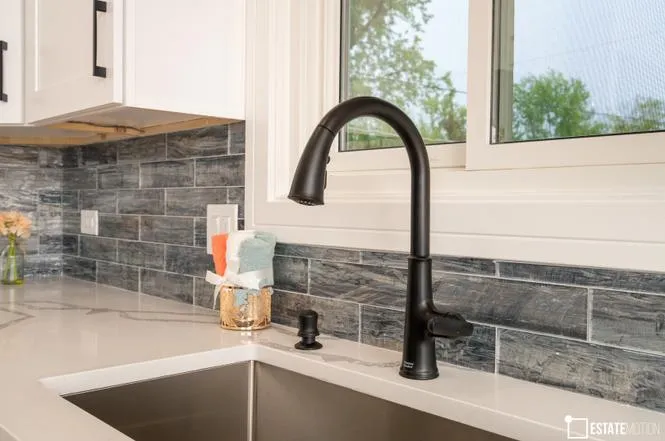
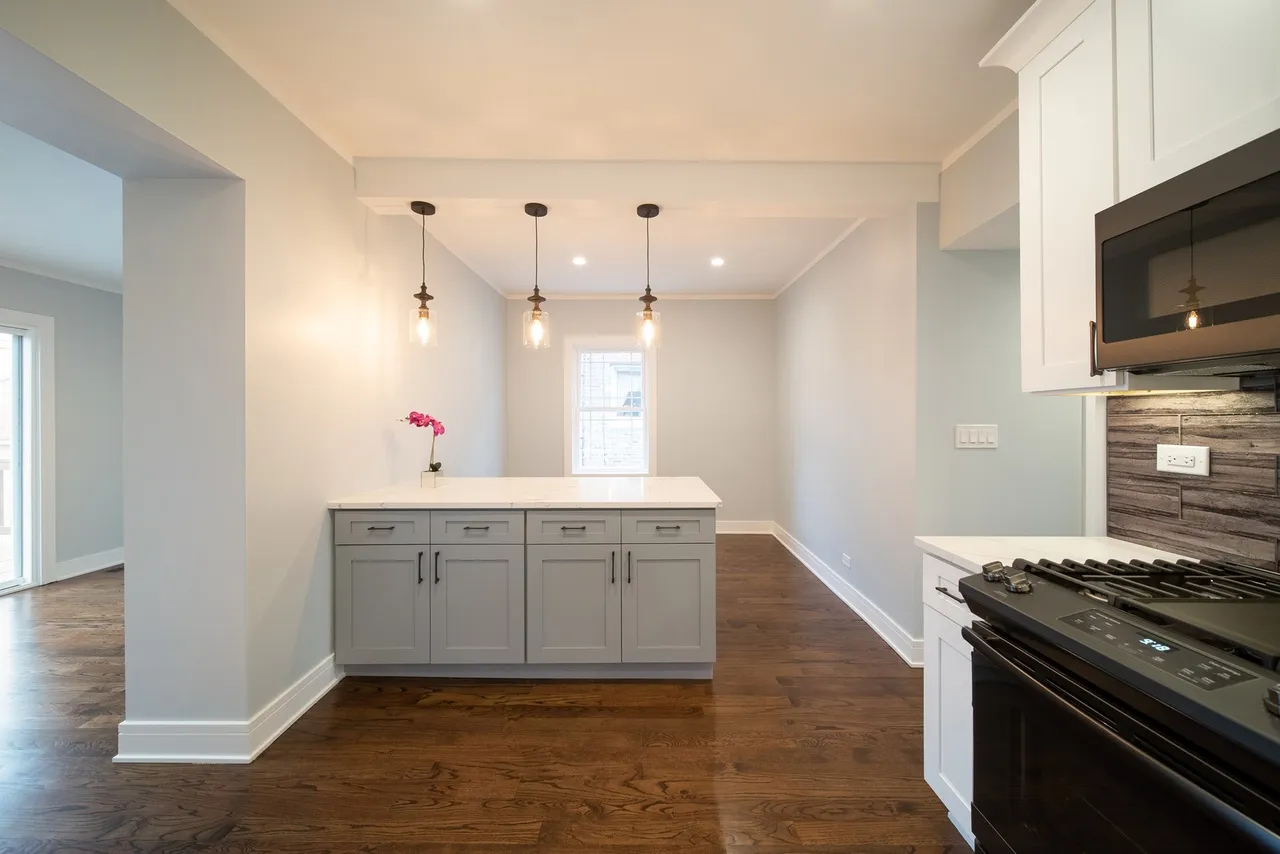
Kitchen Remodeling
Kitchen renovations are among the most popular home improvement projects. Depending on the homeowner’s goals, a kitchen remodel may range from a simple cosmetic update to a complete redesign.
A larger renovation can involve:
- Cabinet installation
- Countertop replacement
- Lighting upgrades
- Electrical changes
- Plumbing modifications
- Flooring
- Drywall
- Painting
- Appliance installation
- Layout changes
A general contractor can help coordinate these different stages and make sure the work progresses according to the project plan.
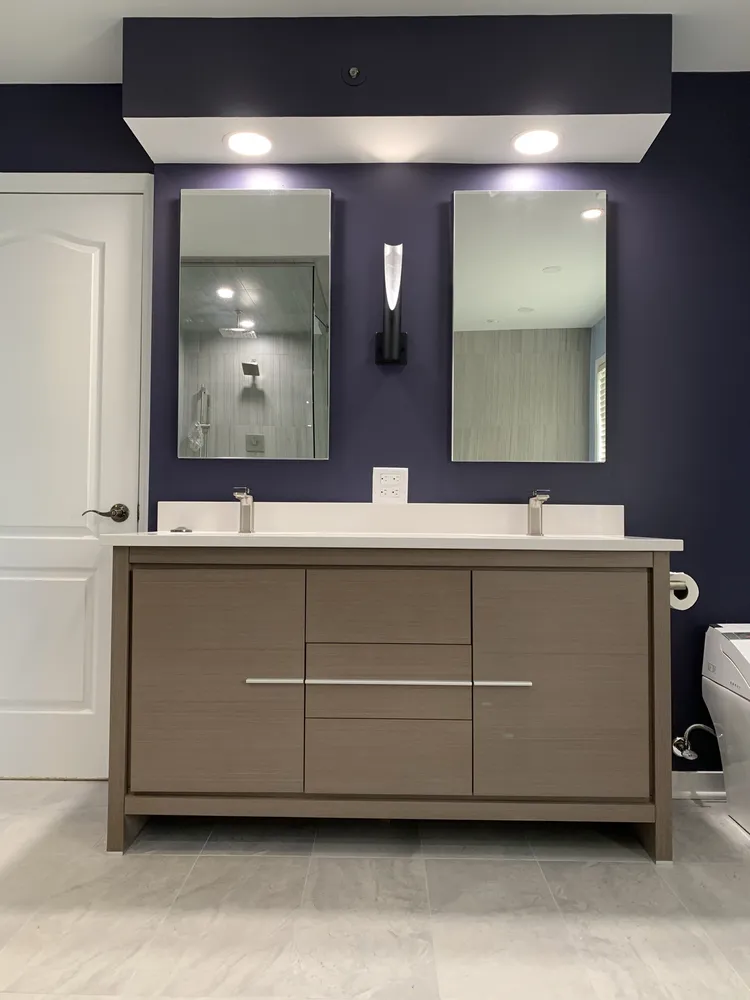
Bathroom Remodeling
Bathroom remodeling can also require multiple trades. Plumbing, electrical work, tile installation, drywall, flooring, fixtures, lighting, and painting may all be part of the project.
A general contractor can coordinate these tasks and help ensure they are completed in the appropriate sequence.
For example, plumbing and electrical work may need to be completed before walls are closed, while tile and finishing work generally happen later in the process.
Having one professional overseeing the project can make coordination much easier for the homeowner.
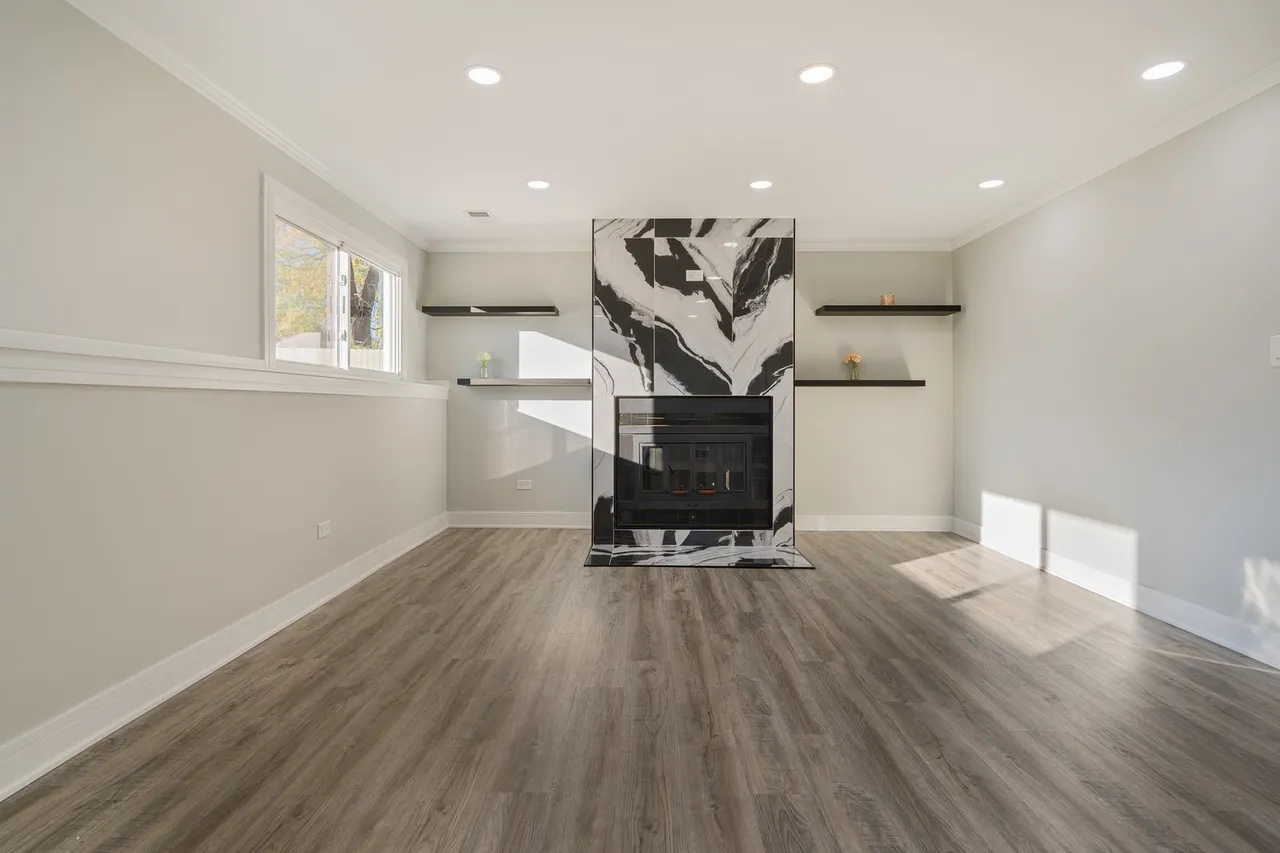
Basement Remodeling
An unfinished basement can provide valuable additional living space. Depending on the design, homeowners may transform their basement into a family room, home office, entertainment area, guest space, gym, or other functional area.
Basement remodeling may involve framing, insulation, drywall, flooring, electrical work, lighting, plumbing, painting, and other improvements.
Because several trades may be involved, a general contractor can help coordinate the work and keep the project moving through each stage.
Home Additions
A home addition is typically more complex than a standard interior remodeling project.
Adding new living space may involve structural construction, foundations, roofing, insulation, electrical systems, plumbing, heating and cooling, windows, doors, drywall, flooring, and finishing work.
A residential general contractor can coordinate the different stages and professionals involved in the project.
Home additions also require careful planning because the new space needs to integrate with the existing structure.
Whole-Home Remodeling
Some homeowners choose to renovate several areas of their property at once. A whole-home remodeling project may include kitchens, bathrooms, bedrooms, living areas, flooring, walls, lighting, doors, windows, and other improvements.
These projects can involve a significant number of materials, workers, and construction stages.
A general contractor can provide centralized project management and coordinate the different parts of the renovation.
Managing Subcontractors
One of the most important responsibilities of many general contractors is coordinating subcontractors.
A remodeling project might require several specialists. For example, an electrician may need to complete work before drywall is installed, while a plumber may need to finish certain tasks before walls or flooring are completed.
The general contractor can help determine when each professional should be scheduled.
This coordination can help reduce scheduling conflicts and keep the project progressing in an organized manner.
Managing the Construction Schedule
Construction projects rarely happen all at once. They are completed through a series of steps.
The timeline can depend on:
- Project size
- Scope of work
- Material availability
- Number of workers involved
- Permit requirements
- Weather
- Existing conditions
- Design changes
- Unexpected issues
A general contractor can create and manage a project schedule based on the planned work.
While no contractor can predict every possible delay, proper scheduling can help keep the project organized.
Coordinating Materials
Materials are another important part of a remodeling project.
A renovation may require lumber, drywall, flooring, cabinets, countertops, tile, plumbing fixtures, electrical components, doors, windows, paint, and many other products.
If materials are not available when needed, the construction schedule may be affected.
General contractors can help coordinate materials and determine when specific products are needed during the project.
Homeowners should discuss material selections and responsibilities with their contractor before construction begins.
Handling Project Communication
Good communication is essential during a remodeling project.
Homeowners often have questions about schedules, materials, design decisions, costs, and unexpected conditions. A general contractor can serve as the primary point of contact throughout the project.
Clear communication also becomes important when changes are requested.
For example, a homeowner may decide to change a flooring material or add another feature after construction has already started. The contractor can explain how the change may affect the budget or timeline.
Helping With Permits and Inspections
Depending on the project and local requirements, permits and inspections may be necessary.
Requirements can vary based on the type of work and location. Structural changes, electrical work, plumbing modifications, and additions may have different requirements than cosmetic remodeling.
An experienced contractor can help homeowners understand which permits or inspections may be applicable to their project and coordinate the appropriate steps when those responsibilities are part of the contractor’s scope.
Why Hire a General Contractor?
One of the biggest advantages of hiring a general contractor is convenience.
Without a general contractor, a homeowner may need to find and schedule several different professionals independently. They may also need to coordinate materials and determine when each stage should be completed.
For a large project, this can become a significant responsibility.
Hiring a general contractor provides a central point of coordination and can make it easier to manage a complex renovation.
When Should You Hire a General Contractor?
Not every home improvement project requires a general contractor.
Small projects that involve a single trade may be manageable with one specialized professional. However, larger projects involving multiple trades can benefit significantly from professional coordination.
You may want to consider a general contractor if your project involves:
- Multiple rooms
- Several different trades
- Structural changes
- Major kitchen remodeling
- Bathroom renovations involving plumbing changes
- Basement finishing
- Home additions
- Whole-home remodeling
- Complex construction schedules
The more moving parts your project has, the more valuable professional project coordination can become.
How to Choose a Residential General Contractor
Finding the right residential general contractor requires more than simply choosing the first company you find online.
Start by looking for contractors with experience completing projects similar to yours.
Consider reviewing:
Experience
Ask how long the contractor has been completing residential construction or remodeling projects and whether they have worked on projects similar to yours.
Previous Projects
Look at examples of completed work. This can give you a better understanding of the contractor’s workmanship and capabilities.
Reviews
Customer reviews can provide insight into communication, professionalism, workmanship, scheduling, and overall customer experience.
Insurance and Licensing
Ask about applicable licensing and insurance requirements for the project and location.
Detailed Estimates
A detailed estimate should clearly explain what is included in the proposed work. Comparing complete scopes of work can be more useful than comparing prices alone.
Questions to Ask Before Hiring a General Contractor
Before choosing a contractor, consider asking:
- What experience do you have with projects like mine?
- Can I see examples of similar completed projects?
- Who will manage my project?
- Which subcontractors will be involved?
- What is included in the estimate?
- What is the expected timeline?
- How are changes handled?
- What permits may be required?
- How will I receive project updates?
- What happens if an unexpected problem is discovered?
The answers can help you determine whether the contractor is a good fit for your project.
How Much Does a General Contractor Cost?
The cost of hiring a general contractor can vary significantly depending on the project.
Factors that can affect the total cost include:
- Size of the project
- Type of remodeling
- Materials selected
- Labor requirements
- Number of subcontractors
- Project location
- Permit requirements
- Structural changes
- Complexity of the design
- Existing conditions of the home
A basement remodel, for example, may have very different costs from a whole-home renovation or home addition.
Instead of relying on a general price estimate found online, homeowners should request a detailed proposal based on their specific project.
Why the Cheapest Estimate May Not Be the Best Choice
When comparing contractors, it can be tempting to select the lowest price.
However, price should not be the only factor.
Two contractors may provide significantly different estimates because their scopes of work, materials, experience, and project management approaches may differ.
Before comparing prices, make sure you understand exactly what each proposal includes.
A clear scope of work can help you avoid unexpected misunderstandings later in the project.
What to Expect During a Remodeling Project
While every project is different, a typical remodeling process may include several general stages.
1. Initial Consultation
The homeowner discusses goals, ideas, budget considerations, and the overall scope of the project with the contractor.
2. Planning
The contractor and homeowner determine the project details, materials, schedule, and other important considerations.
3. Preparation and Demolition
If necessary, existing finishes, cabinets, flooring, walls, or other elements may be removed.
4. Construction
The main construction work begins. Depending on the project, this can include framing, electrical, plumbing, drywall, flooring, cabinetry, and other work.
5. Finishing
Painting, trim, fixtures, hardware, and other finishing details are completed.
6. Final Review
The completed project is reviewed to identify remaining items that need attention before the work is considered finished.
Common Mistakes Homeowners Should Avoid
Home remodeling can be exciting, but poor planning can create unnecessary complications.
One common mistake is starting construction before the scope of work has been clearly defined.
Another is choosing a contractor based only on price.
Homeowners may also underestimate how long a project can take or fail to account for potential unexpected issues.
Taking time to plan, ask questions, compare contractors, and understand the project scope can help create a better foundation for the renovation.
General Contractors Near Me: Finding a Local Professional
If you are searching for general contractors near me, start by researching professionals who have experience in your local area and with projects similar to yours.
Look for contractors with a history of residential remodeling, positive customer feedback, examples of completed work, and clear communication.
Local experience can also be useful because contractors working in the area may be familiar with local building practices, permitting requirements, and common types of residential properties.
Rather than choosing a contractor based solely on proximity, consider their overall experience and whether their services match your project.
Final Thoughts
Understanding what a general contractor does can help homeowners make more informed decisions when planning a renovation or construction project.
A general contractor can coordinate subcontractors, manage schedules, organize materials, oversee construction activities, communicate with homeowners, and help keep the different stages of a project moving in the right direction.
Whether you are planning a kitchen renovation, bathroom remodel, basement finishing, home addition, or whole-home renovation, choosing the right home remodeling contractor can make a significant difference in how the project is organized.
If you’re researching general contractors near me, take the time to compare experience, services, reviews, project examples, communication, and detailed estimates. The right contractor should not only understand the construction work itself but also understand your goals for the finished space.